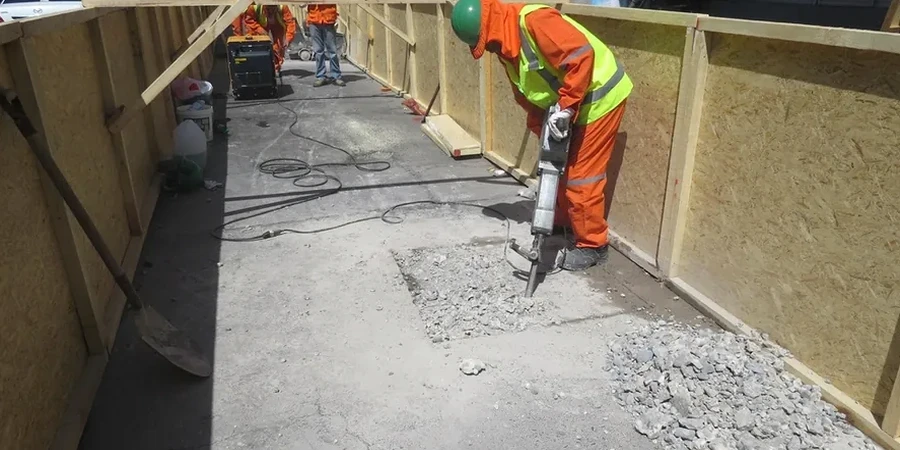
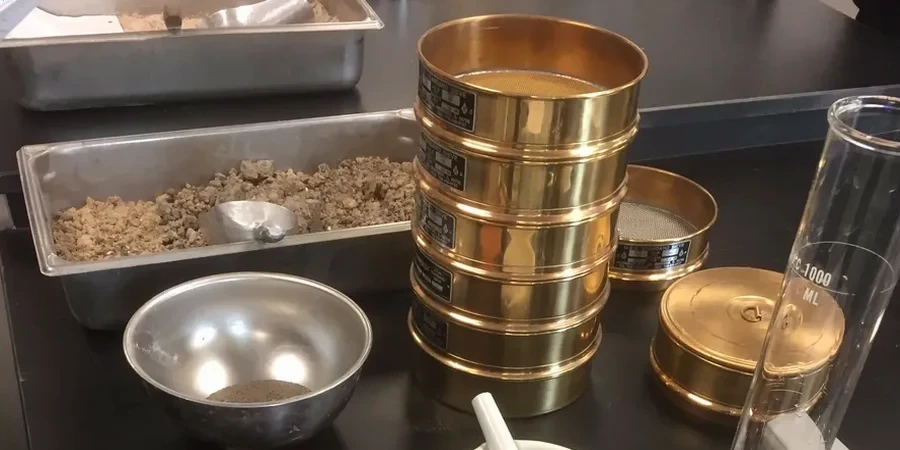
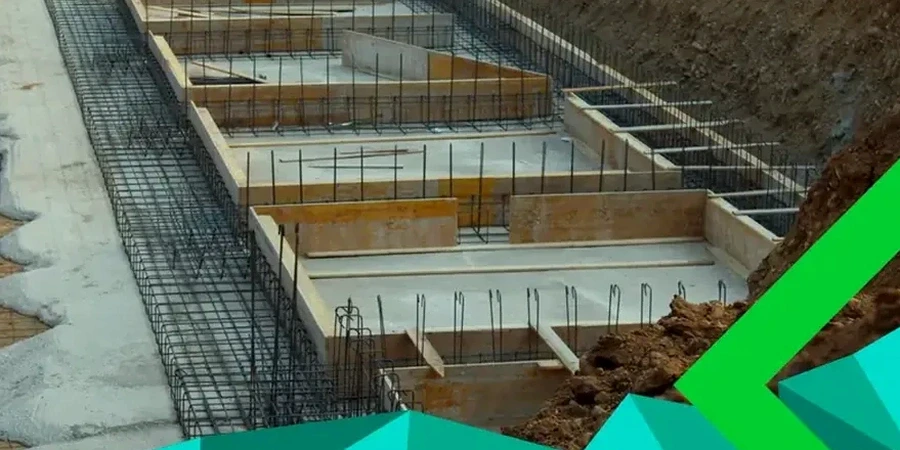
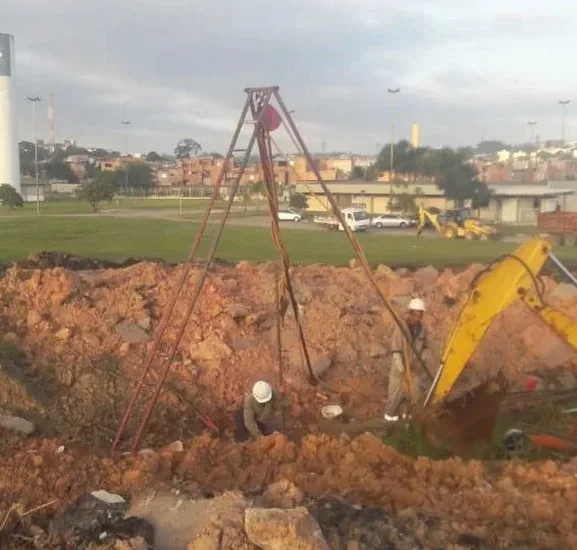
Wichita’s growth from a trading post on the Arkansas River to a major aerospace hub means foundations here sit on a complex mix of alluvial clays and loess-derived silts. When silty clay layers near the river are misclassified, the result is often cracked slabs or pavement heave that costs more to fix than the original earthwork. Our lab performs Atterberg limits testing using ASTM D4318 to quantify the liquid limit, plastic limit, and plasticity index of these fine fractions. For contractors working near the Keeper of the Plains or expanding into the northeast suburbs, these three numbers eliminate the guesswork on how a soil will behave when moisture changes. The data feeds directly into USCS classification under ASTM D2487, which the local building department expects on every geotechnical report. A proper grain size analysis paired with plasticity data gives the full picture for earthwork specs.
Plasticity index is the single most useful number for predicting expansive soil behavior in Wichita's Wellington Formation clays.