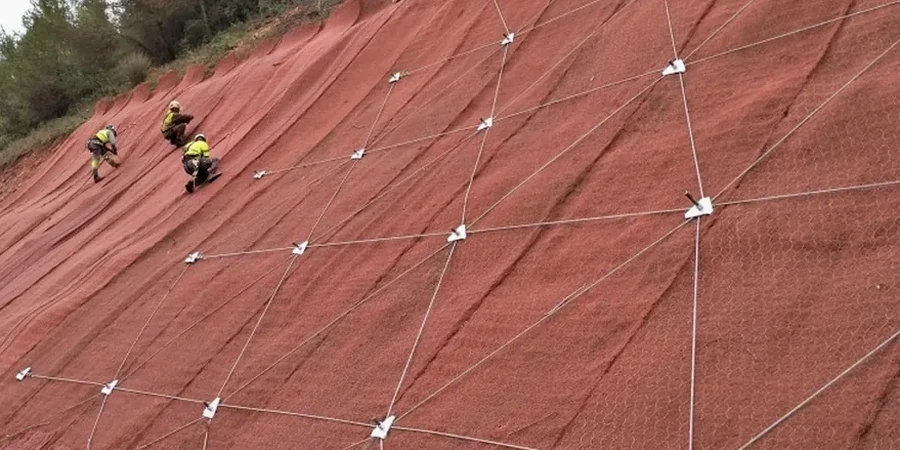
Drive east from downtown toward the Arkansas River and you'll hit dense, overconsolidated clays that hold a cut pretty well—until a wet spring hits. Compare that with the sandy silts you see out west toward Maize Road, where a 2:1 slope can start sloughing after just a couple of heavy rain days. We run into both scenarios constantly. A slope stability analysis in Wichita has to account for that variability, and honestly, you can't just copy-paste a model from another region. Permian-age shale bedrock sits shallow in parts of town, but the weathered mantle above it behaves differently depending on drainage and how much the formation has been disturbed. For commercial pads or detention basins, we'll often pair the analysis with test pits to map those weathered transition zones before we even touch a limit equilibrium model.
Residual shear strength governs long-term slope stability in Wichita's clay shale formations—peak values only apply if you can guarantee the slope never moves.