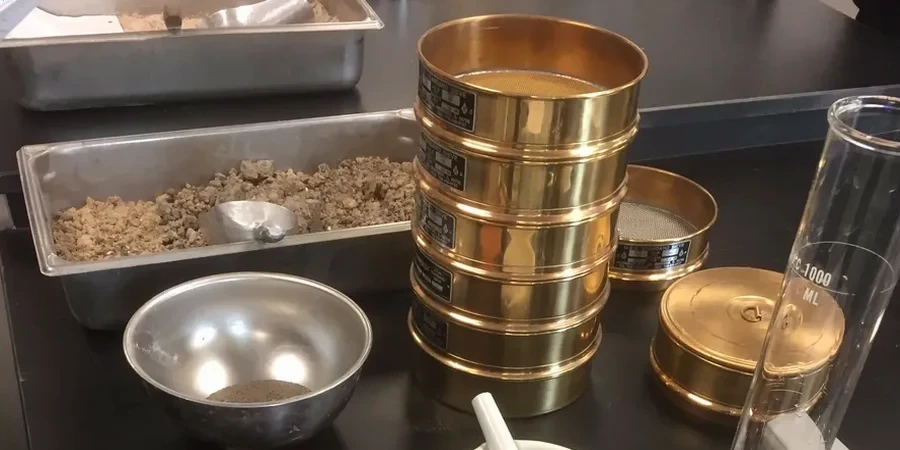
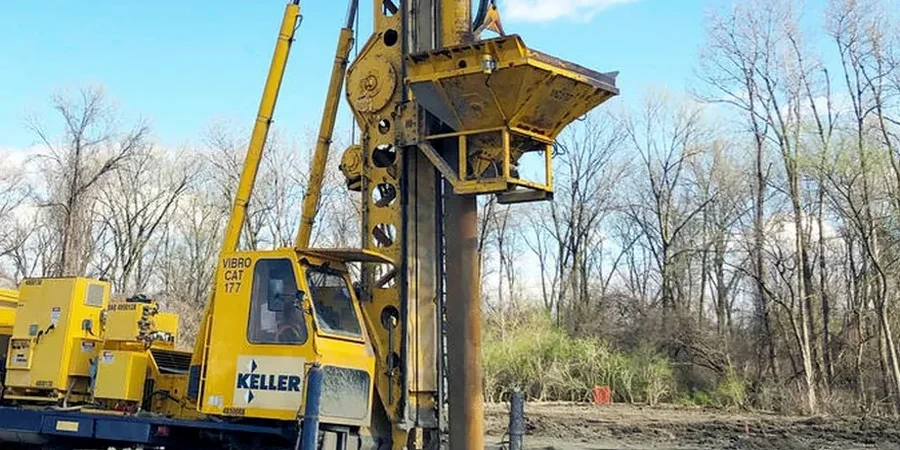
Beneath much of Wichita, the shallow subsurface is dominated by Quaternary alluvium from the Arkansas River and its tributaries—deposits of loose, poorly graded sands and silty sands that can extend 20 to 40 feet deep before hitting shale. These soils are notoriously susceptible to settlement and, given the region's moderate seismic hazard per ASCE 7, to liquefaction during a design-level event. Standard fill compaction only reaches the top few feet, leaving deeper loose zones untreated. A vibrocompaction design program targets those deeper strata by specifying probe spacing, grid pattern, amperage draw, and hold times calibrated to the local grain-size distribution. For projects on the city's west side, where windblown silt mixes with terrace deposits, a combined approach using stone columns may be warranted if fines content exceeds the vibrocompaction threshold.
A properly designed vibrocompaction grid in Wichita's alluvium can increase relative density from 40% to over 80% in a single pass.