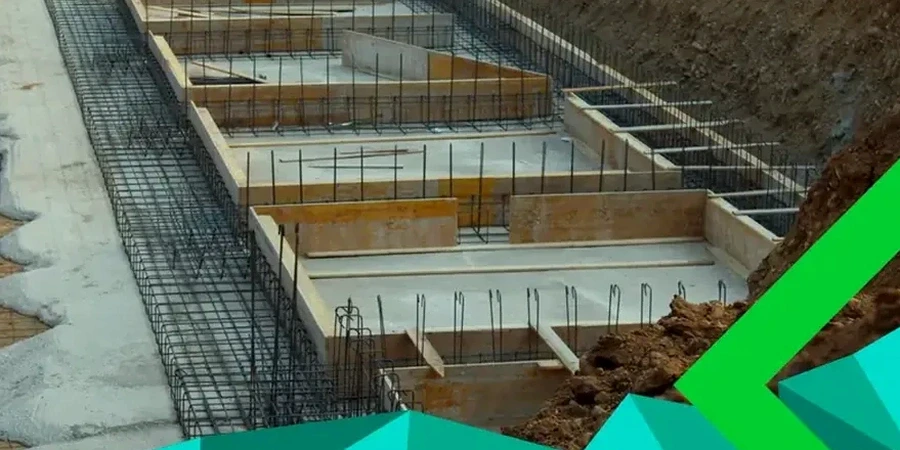
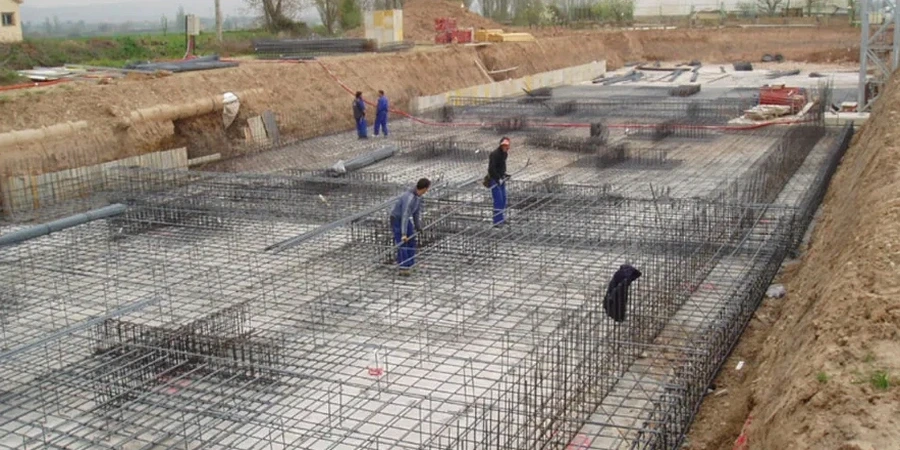
Foundation engineering in south-central Kansas demands a precise understanding of the Wellington Formation and the deep alluvial deposits left by the Arkansas River. In Wichita, the design of spread footings and mat foundations is heavily influenced by ASCE 7-22 and the 2024 International Building Code (IBC), particularly regarding frost depth at 30 inches and the bearing pressures of overconsolidated silty clays. The local geology, shaped by the Permian-era bedrock and Quaternary terrace deposits, creates a site-specific challenge where standard presumptive bearing values can be misleading. A thorough geotechnical investigation, typically integrating SPT drilling to refusal at the shale line, forms the backbone of every shallow foundation design we develop for properties from downtown commercial lots to residential subdivisions in the Delano District. Without this data, engineers risk underestimating differential settlement in the variable alluvium that defines the city's subsurface.
In Wichita, the difference between a 2,500 psf and a 3,500 psf bearing capacity often lies not in the soil itself, but in the quality of the saturation data collected during the geotechnical investigation.