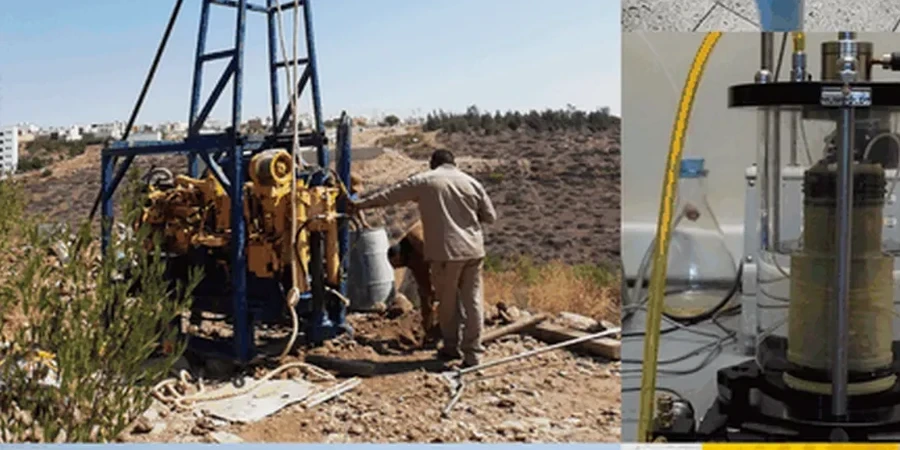
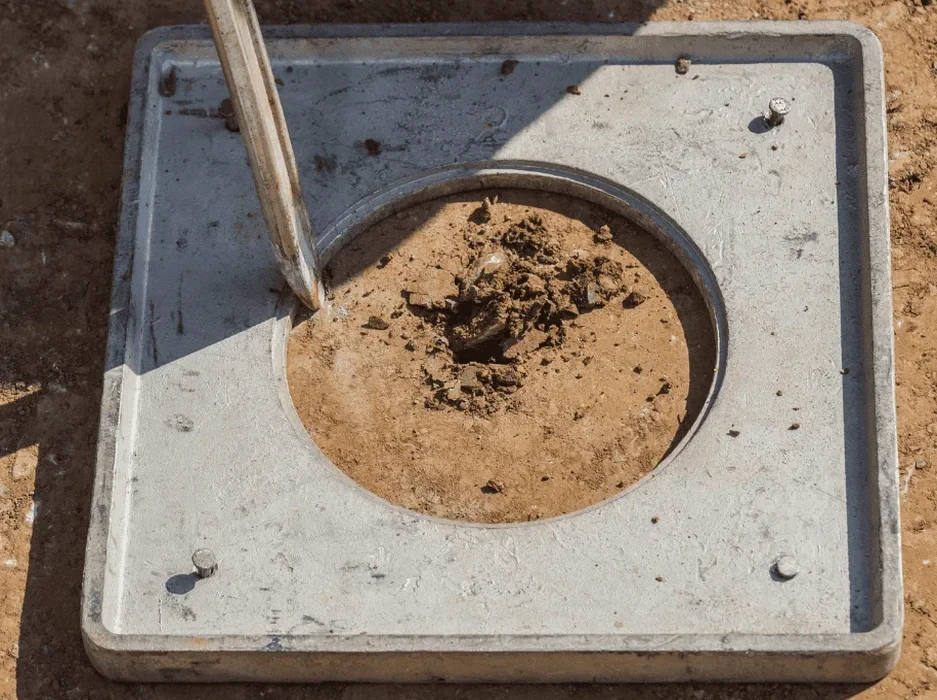
In Wichita, we often see that the real complexity isn't the structure above ground but what's happening a few feet below. The city sits over Permian shale and limestone, with layered alluvial deposits from the Arkansas River and its tributaries cutting through the west side. That means a site on the east side over Wellington Formation rock behaves nothing like a site near the Big Ditch on silt and clay lenses. A soil mechanics study here has to start with that geological split. We run laboratory triaxial and consolidation tests on Shelby tube samples, paired with SPT field data, to build a constitutive picture that holds up under IBC Chapter 18 requirements. When the water table is shallow—common in the floodplain south of Kellogg—we also integrate in-situ permeability testing early so drainage design isn't an afterthought.
A soil mechanics study in Wichita has to distinguish Permian bedrock from recent Arkansas River alluvium—the two behave under load in fundamentally different ways.